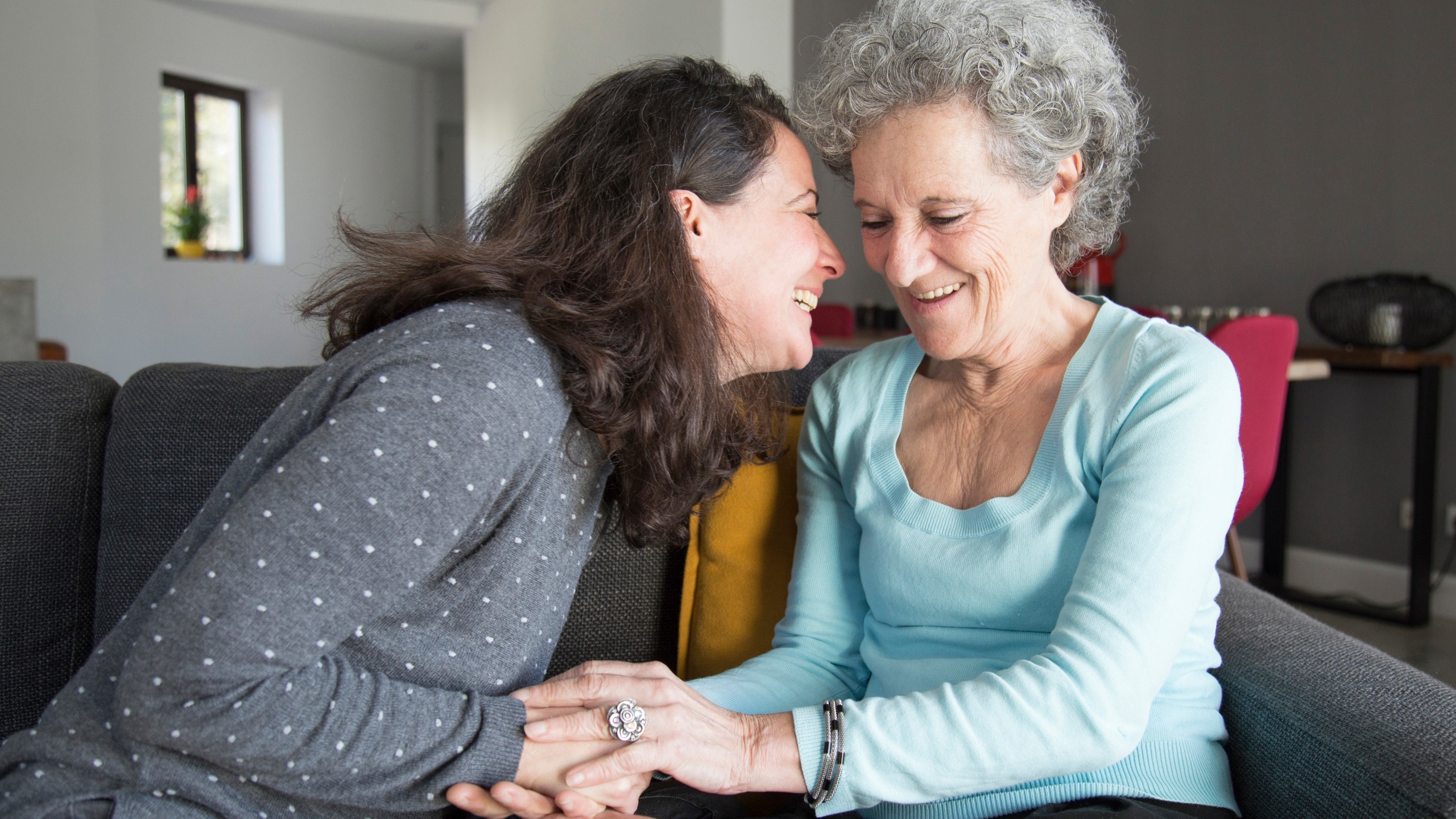
The emotional challenges of providing home care for an aging parent include guilt, grief, resentment, frustration, anxiety, and isolation. Taking on the role of a caregiver for a mother or father often happens gradually, yet the emotional weight can feel sudden and overwhelming. While looking after a parent is often an act of love, this role reversal brings a complex mix of feelings that many adult children feel unprepared to handle.
Why Do Caregivers Experience the Heavy Burden of Guilt?
Guilt is perhaps the most pervasive emotion among caregivers. It’s the nagging internal voice suggesting that no matter how much you do, it’s never quite enough. You might feel guilty for taking a few hours for yourself, losing your patience during a repetitive conversation, or wishing you were anywhere else but at your parent’s bedside.
This guilt often stems from unrealistic expectations. Many caregivers subconsciously believe they must provide the same level of care and safety their parents once provided them. When your parent’s health inevitably declines despite your best efforts, it’s easy to internalize that decline as a personal failure. This cycle can prevent you from setting necessary boundaries, leading to a situation where self-care feels like neglect.
Many older adults are choosing to age in place, and some need a helping hand to continue living at home safely and comfortably. Luckily, there is professional home care Lincoln seniors can trust and rely on.
How Do Caregivers Process Anticipatory Grief?
We usually associate grief with death, but caregivers often experience profound grief while their parent is still alive. This is known as anticipatory grief or ambiguous loss. You’re mourning the slow disappearance of the person you once knew, even as he or she sits right in front of you.
This is particularly acute for those caring for parents with dementia or physical disabilities. You may grieve the loss of:
- Shared memories – When your parent can no longer recall significant family events
- Role dynamics – The shift from being the child who’s cared for to the adult who must provide care
- Personality traits – Watching a formerly independent, vibrant parent become fearful or dependent
- Future plans – The realization that your parent may not be around for future milestones
Why Is Resentment and Frustration So Common Among Caregivers?
Resentment is the emotion caregivers are often most ashamed to admit. It’s difficult to reconcile loving your parent with hating the situation you’re in. However, anger is a natural response to the loss of your own freedom and the disruption of your life.
Caregiving can feel like a cage. You may resent your siblings for not helping enough, your parent for being difficult or ungrateful, or the healthcare system for being complicated and expensive. You might even resent your parent simply for being sick and needing you. This frustration can manifest as short temper or sudden outbursts, followed immediately by another wave of guilt. Acknowledging that you can love the person but despise the illness (and the duties it requires) is crucial for mental survival.
Why Is Anxiety a Constant Challenge for Caregivers?
When you’re responsible for a fragile human being, your brain rarely turns off. This hyper-vigilance creates a baseline of anxiety that runs through every hour of the day. A ringing phone late at night triggers instant panic. A slight change in your parent’s tone of voice can launch a spiral of worry about new symptoms or medication side effects.
This chronic stress keeps the body in a “fight or flight” mode, which is physically exhausting. It’s difficult to relax because you’re constantly waiting for the other shoe to drop—the next fall, the next hospitalization, or the next crisis. Over time, this anxiety can lead to compassion fatigue, where your ability to empathize becomes compromised simply because your emotional reserves are completely depleted.
Why Do Caregivers Often Feel Isolated and Lonely?
Ironically, while your world may revolve around another person, caregiving is an incredibly isolating experience. Your social circle may shrink because you no longer have the time or energy to maintain friendships. Even when you do see friends, you may feel a disconnect. It’s hard to relate to peers discussing vacations or hobbies when your mind is occupied with doctor’s appointments and medication schedules.
This isolation is compounded if you’re the primary caregiver without a support network. You may feel no one truly understands the specific texture of your daily challenges. The unique history you share with your parent makes the relationship complicated, and explaining that complexity to outsiders often feels like too much effort.
Family caregivers sometimes need a break from their caregiving responsibilities. When they need respite care, Lincoln families can rely on professional caregivers to help their senior loved ones remain safe at home.
Every senior has different needs when aging in place. Some simply need occasional assistance with household chores, while others may be managing a serious illness and require more extensive 24-hour care. Lincoln seniors can count on BeyondWell Home Care to provide the in-home care they need and deserve. Reach out to one of our friendly Care Managers today to schedule a no-obligation consultation.
Frequently Asked Questions
What types of services are offered through home care?
+
Home care services include assistance with daily activities, meal preparation, medication reminders, companionship, and light housekeeping.
Who can benefit from home care services?
+
Seniors, individuals with chronic conditions, or those recovering from surgery or illness can benefit from personalized support at home.
How do I choose the right home care provider?
+
Look for providers with trained caregivers, positive reviews, and the ability to customize care plans to meet specific needs.
Are home care services covered by insurance?
+
Coverage depends on the type of care and the insurance plan, with some plans covering medical home care but not nonmedical services.
Can home care services help seniors maintain independence?
+
Yes, home care is designed to support individuals in their daily lives while allowing them to remain in the comfort of their own homes.