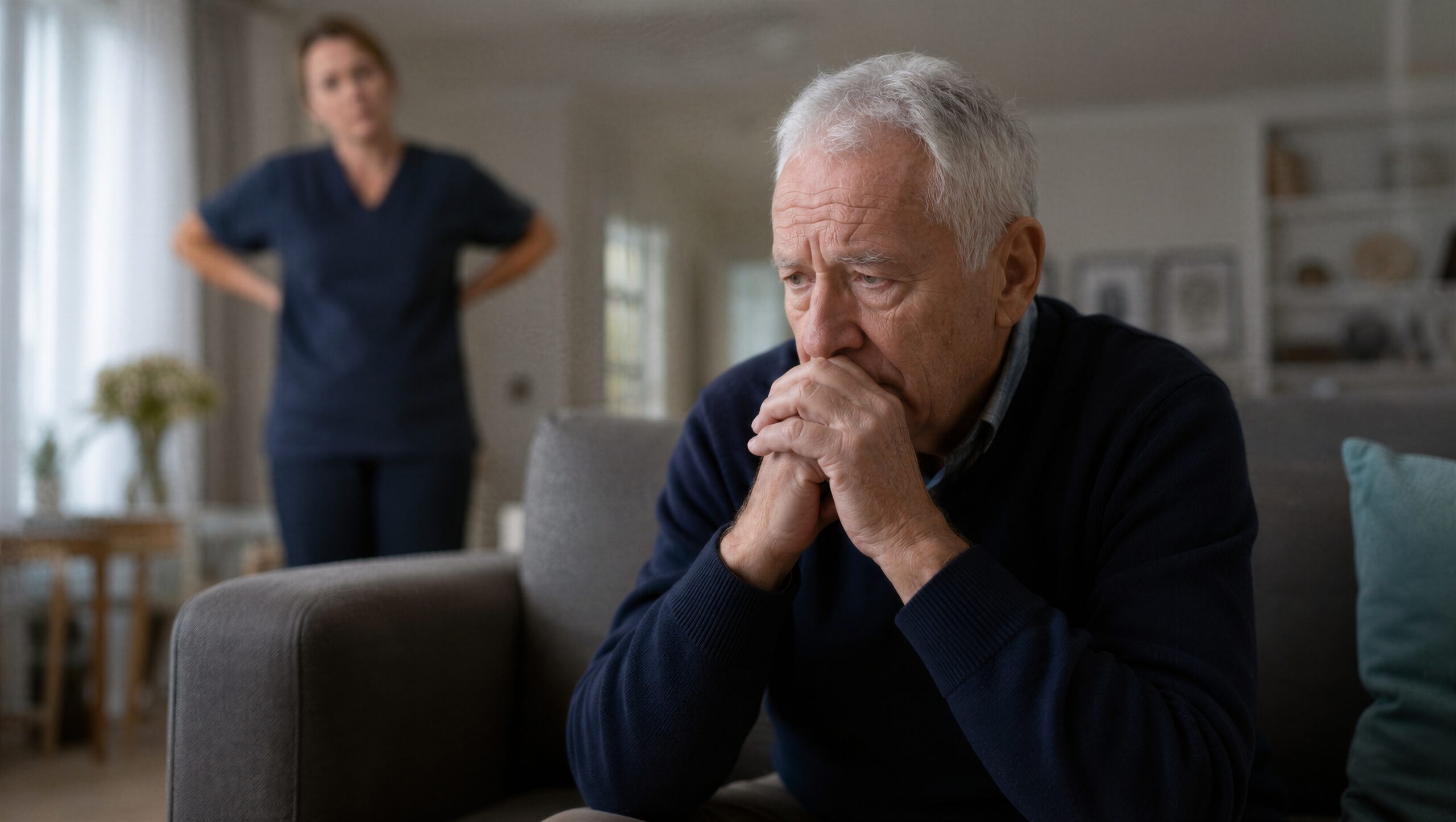
When caregiving becomes dangerous, families must immediately assess the risk, establish boundaries, and seek external support or alternative living arrangements. Providing care for a senior loved one is an act of deep compassion, but it can sometimes escalate into an unsafe situation for everyone involved. Recognizing the warning signs and taking swift action ensures the physical and emotional safety of both you and your loved one.
What Are the Warning Signs of a Dangerous Caregiving Situation?
Identifying danger early can prevent serious incidents. Watch for the following red flags
- Aggressive or violent behavior from your loved one
- Severe caregiver burnout leading to extreme exhaustion or resentment
- Wandering or unsafe behaviors you cannot physically manage
- Unsafe home conditions that pose a risk of injury
Aggression, wandering, and other unsafe behaviors are common signs of dementia, so it’s important to have your loved one evaluated by a medical professional. Seniors can face a variety of age-related challenges. Though some families choose to take on the caregiving duties, there may come a time when they need a trusted Lincoln senior home care provider. Families sometimes need respite from their duties so they can focus on their other responsibilities, and some seniors need around-the-clock assistance that their families are not able to provide. BeyondWell Home Care is here to help.
How Can Families Protect the Physical Safety of the Caregiver?
Ensuring your safety is just as important as protecting your loved one. Families can implement several practical measures:
- Remove weapons, sharp objects, and potential hazards from the home.
- Install locks on certain doors or cabinets to prevent access to dangerous areas.
- Establish a clear emergency plan and keep a charged phone nearby at all times.
- Rotate caregiving duties among family members to reduce isolation and fatigue.
Who Can Families Contact For Immediate Help?
You don’t have to navigate a dangerous caregiving crisis alone. There are several resources available to provide immediate guidance:
- Local adult protective services can intervene if there’s a risk of abuse or severe neglect.
- Crisis hotlines and social workers can offer immediate advice and de-escalation strategies.
- Community support groups can connect you with professionals who handle high-risk care transitions.
- In-home care agencies can provide necessary assistance.
Professional care is closer and more accessible than many families realize. If you’re the primary family caregiver for a senior loved one living in the Sacramento metropolitan area, Lincoln 24-hour home care is available around the clock if your loved one’s health has become too difficult to manage without professional expertise. At BeyondWell Home Care, we take measures to help seniors prevent illness and injury by assisting with exercise and mobility, preparing nutritious meals, helping with bathing and other personal hygiene tasks, and much more. To learn about our quality-assured services, give us a call today.
Frequently Asked Questions
How do I know if caregiver burnout has become dangerous?
+
Burnout becomes dangerous when it leads to overwhelming anger, severe depression, or thoughts of harming yourself or the person you’re caring for. If you experience these feelings, you must step away and seek immediate help.
The emotional and physical toll of caregiving doesn’t have to fall entirely on your shoulders. Family caregivers need to care for their own wellbeing. If you’re caring for an aging loved one and are feeling overwhelmed, consider hiring a professional caregiver to provide respite or overnight care Lincoln families can depend on. Families who want to prevent burnout can turn to BeyondWell Home Care. One of our professional caregivers can assist your loved one at home while you take a nap, go to work, run errands, or go on vacation.
What should I do if my loved one becomes physically aggressive?
+
Step out of the room immediately to ensure your physical safety and call a crisis line or local authorities if the situation cannot be de-escalated. Don’t attempt to physically restrain your loved one yourself unless absolutely necessary to prevent immediate harm.
Can I refuse to provide care if I feel unsafe?
+
Yes, you have the right to refuse caregiving duties if the environment threatens your physical or emotional wellbeing. It’s important to contact adult protective services or a social worker to arrange safe alternatives