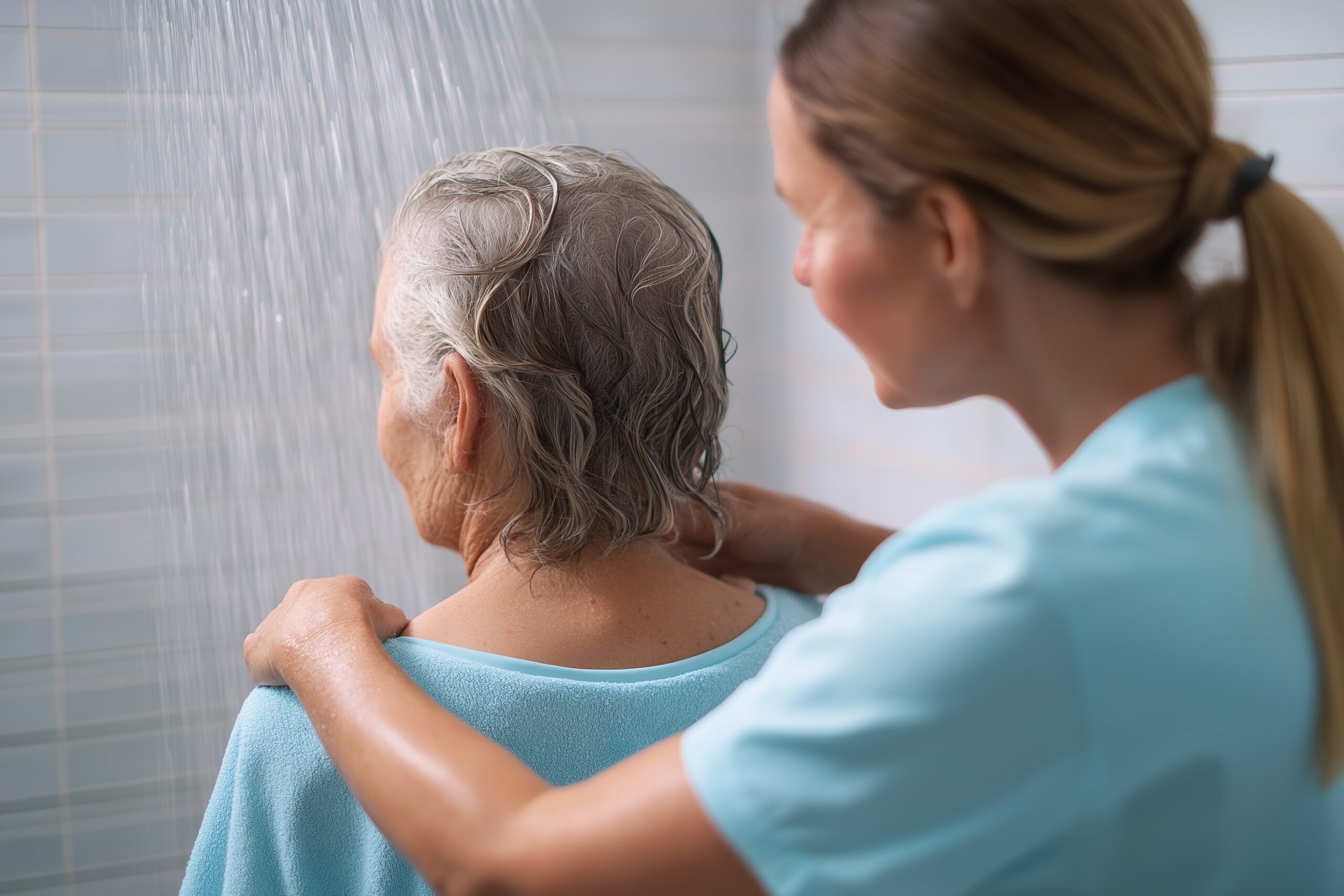
Rethinking bathing routines in dementia care means prioritizing a person’s comfort, privacy, and sense of control over strict and traditional hygiene schedules. For many individuals experiencing cognitive decline, standard bathing methods can trigger immense fear and anxiety, making it essential to adapt daily practices to their unique emotional and sensory needs. By focusing on the experience rather than just the task itself, caregivers can transform a highly stressful chore into a gentle moment of connection and respect.
Why Do Traditional Bathing Methods Cause Distress in Dementia Care?
Standard showers or baths can quickly become overwhelming due to sensory changes and cognitive decline. The loud noise of running water, the physical shock of feeling cold, and the vulnerability of being completely naked often lead to fear or defensive behaviors. Furthermore, individuals may no longer understand the sequence of steps required to bathe, which causes deep confusion and panic when forced into a bathroom environment.
How Can Caregivers Create a Calming Environment for Bathing?
Preparing the space beforehand significantly reduces anxiety and discomfort for the individual. Caregivers can optimize the bathroom environment by focusing entirely on warmth, safety, and sensory soothing.
- Warm the room and the towels before bringing your loved one into the bathroom.
- Play soft familiar music to provide a calming distraction and mask the harsh sound of running water.
- Keep the lighting soft to avoid harsh glare on wet surfaces, which can look like slippery ice or holes in the floor to someone with altered depth perception.
If your senior loved one has been diagnosed with a serious condition and needs help with tasks like meal prep, transportation, medication reminders, bathing, and grooming, reach out to BeyondWell Home Care, a leading provider of elder care Lincoln families can trust. We also offer comprehensive care for seniors with dementia, Alzheimer’s, and Parkinson’s.
What Are Effective Alternatives to a Traditional Shower or Bath?
When a full bath is too distressing, alternative hygiene methods can keep your loved one perfectly clean while preserving his or her dignity and peace of mind.
- Towel baths – Using warm, damp, and soapy towels to clean the body while keeping your loved one mostly covered and comfortable in bed
- Sponge baths – Focusing only on essential areas while your loved one remains seated comfortably on a chair or toilet
- Divided routines – Washing the hair on a completely different day than the body to reduce overall fatigue and prolonged exposure to water
In addition to assistance with personal hygiene, a professional caregiver can help your parent with a variety of daily tasks. Whether you need respite from your caregiving duties or your aging loved one needs 24-hour home care in Lincoln, BeyondWell Home Care can meet your family’s care needs. Our dedicated caregivers are available around the clock to provide transportation to doctor’s appointments, ensure seniors take their prescribed medications, and help with a variety of tasks in and outside the home.
How Can You Maximize Privacy and Independence during Hygiene Routines?
Maintaining strict modesty helps seniors feel safe, secure, and respected during the washing process. Caregivers should encourage seniors to do as much as they can on their own, handing them soapy washcloths to clean their own faces or arms. Keeping a large towel draped over the shoulders or lap and only uncovering the specific area currently being washed can drastically reduce feelings of vulnerability.
Caring for seniors with dementia can be challenging for family caregivers. Luckily, there is high-quality Lincoln dementia home care for seniors and their families. Professional dementia caregivers help seniors with dementia stay safe and comfortable at home by preventing wandering, providing cognitive stimulation, helping with bathing and other personal hygiene tasks, and assisting with household chores. For reliable in-home care services, contact us today.
Frequently Asked Questions
How often does a person with dementia actually need to bathe?
+
A full bath or shower is usually only necessary once or twice a week. Daily spot-washing of essential areas is typically sufficient to maintain good personal hygiene and prevent skin issues.
What should I do if my loved one refuses to bathe?
+
Don’t force or argue. Instead, gracefully back away and try again later when your loved one might be in a better mood. You can also try changing your vocabulary from “taking a bath” to “getting freshened up.”
Are special soaps or shampoos necessary for dementia care?
+
It’s best to use mild, unscented, and no-tear products to prevent skin irritation and accidental eye stinging. Familiar products your loved one used safely in the past can also provide comforting and recognizable sensory cues.
How can I prevent my loved one from feeling cold during the process?
+
Keep the bathroom door closed to trap steam, and use a safe space heater to warm the room well beforehand. Keeping your loved one covered with a warm heavy towel while washing different sections of the body can also regulate his or her temperature.