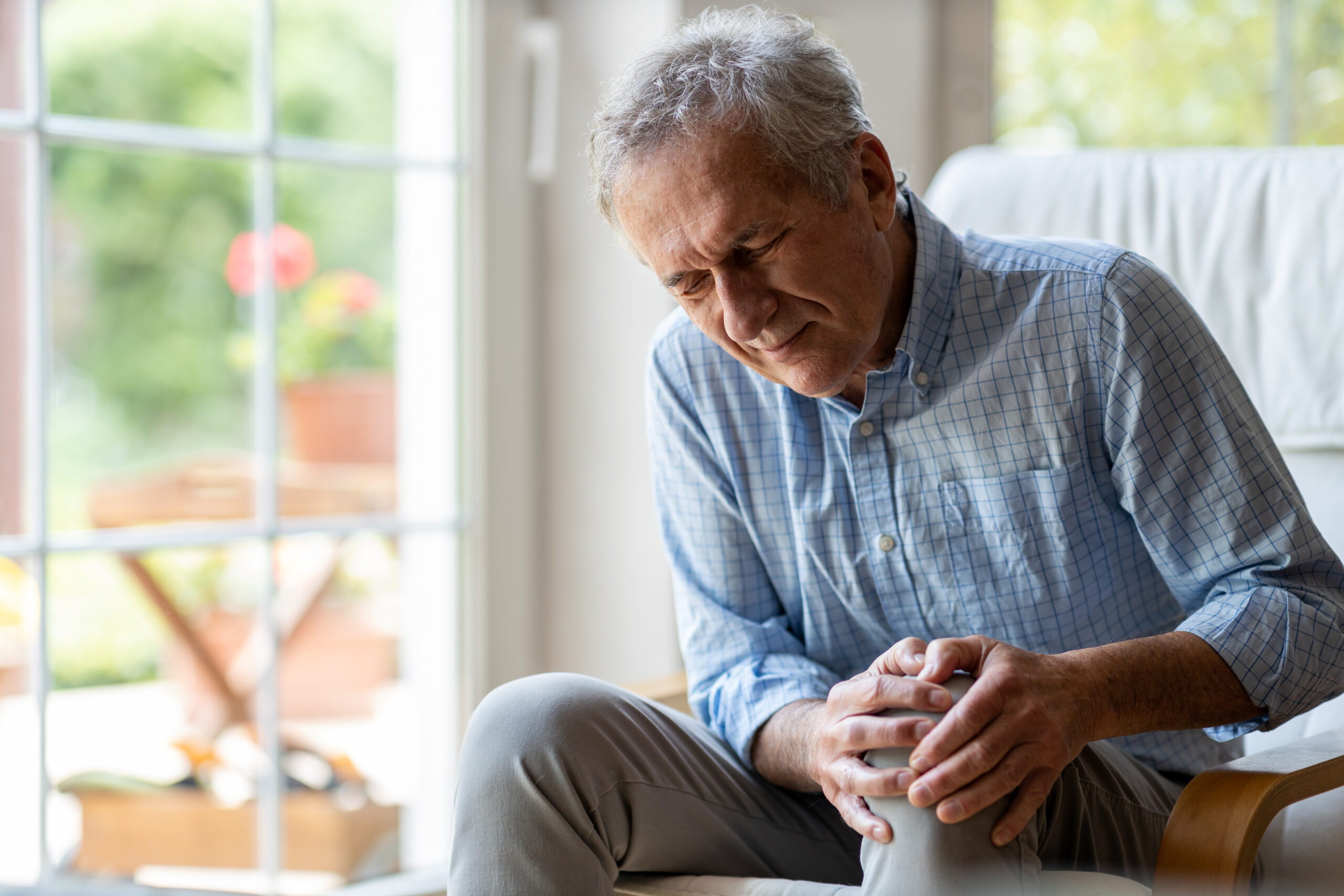
Effective arthritis pain management at home combines physical strategies, such as heat therapy, gentle exercise, and assistive devices, with consistent daily routines that reduce joint strain and support long-term comfort for the senior loved one in your care.
Arthritis pain can be managed at home with the right combination of practical techniques and daily habits. If you’re a family caregiver, understanding these strategies can make a meaningful difference in your loved one’s comfort and quality of life.
What Are the Most Effective Ways to Use Heat and Cold Therapy for Arthritis Pain?
Heat and cold therapy are simple low-cost tools that can provide quick relief from arthritis discomfort.
- Heat therapy (warm towels, heating pads, or warm baths) relaxes stiff muscles and increases circulation around affected joints. It’s most helpful in the morning or before activity.
- Cold therapy (ice packs wrapped in a cloth) reduces inflammation and numbs sharp pain. It’s best used after activity or during flare-ups.
- Limit each session to 15–20 minutes to avoid skin irritation or damage.
- Never apply heat or cold directly to bare skin.
How Can Gentle Movement and Exercise Reduce Arthritis Pain at Home?
Regular low-impact movement keeps joints flexible and reduces stiffness over time.
- Range of motion exercises (gentle stretching and rotation) can help seniors maintain joint flexibility.
- Strengthening exercises build muscle around joints, reducing the load placed on them.
- Low-impact activities like walking, swimming, or chair yoga are well tolerated by most people with arthritis.
- Short sessions of 10–15 minutes, done consistently, are more beneficial than occasional longer workouts.
- Always move at a comfortable pace and stop if sharp pain occurs.
If you’re the primary family caregiver for an elderly loved one, Roseville 24-hour home care is available around the clock if your loved one’s health has become too difficult to manage without professional expertise. At BeyondWell Home Care, we take measures to help seniors prevent illness and injury by assisting with exercise and mobility, preparing nutritious meals, helping with bathing and other personal hygiene tasks, and much more.
What Assistive Devices and Home Modifications Can Make Daily Tasks Easier?
Reducing joint strain during everyday activities is one of the most practical ways to manage arthritis pain.
- Assistive devices like jar openers, reacher tools, and ergonomic utensils minimize grip strain.
- Grab bars and handrails in bathrooms and hallways increase safety and reduce fall risk.
- Raised toilet seats and shower chairs lower the effort required for daily hygiene tasks.
- Rearranging frequently used items to counter height eliminates unnecessary bending or reaching.
- Nonslip mats on floors and in showers add another layer of safety.
How Do Diet and Nutrition Play Roles in Managing Arthritis Pain?
What a person eats can influence inflammation levels and overall joint health.
- Anti-inflammatory foods, such as fatty fish (salmon, mackerel), leafy greens, berries, and olive oil, may reduce joint inflammation.
- Foods to limit include processed foods, refined sugars, and red meat, which can trigger inflammatory responses.
- Staying well hydrated supports joint lubrication and overall mobility.
- Maintaining a healthy weight reduces pressure on weight-bearing joints like the knees and hips.
Families who find it difficult to care for their aging loved ones without assistance can benefit greatly from professional respite and overnight home care Roseville families can rely on. Family caregivers who need a break from their caregiving duties can turn to BeyondWell Home Care. Our caregivers can encourage your loved one to eat well, exercise regularly, get plenty of mental and social stimulation, and focus on other lifestyle factors that promote longevity.
How Can Caregivers Support Emotional Wellbeing Alongside Physical Pain Management?
Chronic pain affects mood, motivation, and mental health. Addressing this is a key part of comprehensive care.
- Encourage open conversations about pain levels and emotional challenges without minimizing their experience.
- Mindfulness and relaxation techniques like deep breathing or guided meditation can reduce pain perception and stress.
- Social connection, even through phone or video calls, combats the isolation that often accompanies chronic pain.
- Maintaining a predictable daily routine gives a sense of control and reduces anxiety around pain management.
Hiring a professional caregiver is one of the best ways to help your loved one manage severe chronic pain. If you have a senior loved one who needs help maintaining a high quality of life while aging in place, reach out to BeyondWell Home Care, a top-rated Roseville in-home care provider. Our caregivers help seniors focus on healthy lifestyle habits such as eating nutritious foods, exercising regularly, and maintaining strong social ties, and we offer mentally stimulating activities that can boost cognitive health and delay the onset of dementia. Call today to speak with a friendly and experienced Care Manager to formulate a home care plan for your loved one.
Frequently Asked Questions
How often should someone with arthritis use heat or cold therapy?
+
Heat or cold therapy can be used several times a day as needed, with each session lasting no more than 15–20 minutes and a break between applications.
What’s the best type of exercise for someone with severe arthritis?
+
Water-based exercises like swimming or aqua aerobics are among the gentlest options, as water reduces joint impact while still allowing for meaningful movement.
Can diet changes alone significantly reduce arthritis pain?
+
Diet is a supportive tool rather than a standalone solution. An anti-inflammatory diet may reduce flare-ups, but it works best alongside other pain management strategies.
How do I know when a pain flare-up requires more than home care?
+
Sudden severe swelling, intense pain that doesn’t respond to usual strategies, or joint warmth and redness that worsens over 24–48 hours are signs that professional evaluation is needed.
What are simple ways to track arthritis pain levels at home?
+
Keeping a daily pain journal noting pain intensity (1–10 scale), triggers, and relief methods helps you identify patterns and determine which strategies are most effective over time.