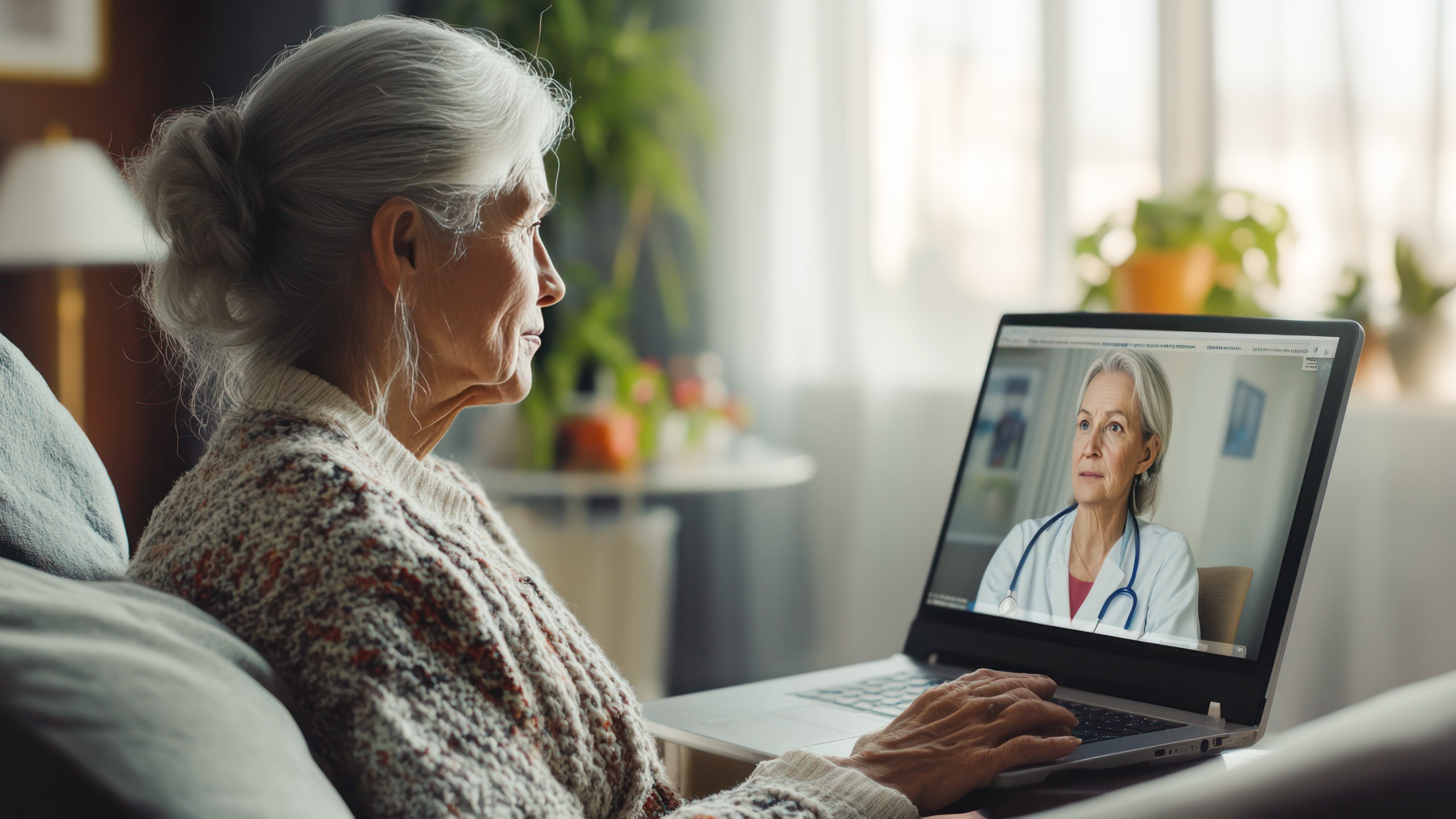
The in-home care industry is undergoing a significant transformation, driven by technological advancements and a growing preference for aging in place. As we look ahead, several key trends and innovations are set to reshape how care is delivered, making it more personalized, efficient, and integrated. Here are the developments defining the future of in-home care.
The Rise of Telehealth and Remote Monitoring
The integration of telehealth is perhaps the most impactful trend in in-home care. Virtual consultations with doctors, nurses, and therapists are becoming standard, allowing for regular check-ins without the need for travel. This is particularly beneficial for individuals with mobility issues or those living in remote areas.
Alongside telehealth, remote patient monitoring (RPM) is gaining traction. Using wearable devices and in-home sensors, caregivers can track vital signs, medication adherence, and daily activity levels in real time. These technologies can automatically alert healthcare providers or family members to potential issues, enabling proactive interventions and preventing emergencies. Key RPM tools include:
- Smartwatches that monitor heart rate and detect falls
- Bluetooth-enabled blood pressure cuffs and glucose meters
- Smart pill dispensers that track medication schedules
Some seniors only require help with a few daily tasks so they can maintain their independence. However, those living with serious illnesses may need more extensive assistance. Luckily, there is professional 24-hour care available for aging adults in Lincoln and the surrounding areas. Home can be a safer and more comfortable place for your loved one to live with the help of expertly trained and dedicated around-the-clock caregivers.
AI and Predictive Analytics in Care Planning
Artificial intelligence (AI) is set to revolutionize care planning by making it more predictive and personalized. AI algorithms can analyze vast amounts of health data to identify patterns and predict future health risks. This allows care teams to develop proactive strategies to prevent hospitalizations and manage chronic conditions more effectively.
For instance, AI can predict the likelihood of falls by analyzing gait and movement patterns, prompting adjustments to the home environment or care plan. It can also optimize caregiver schedules to ensure clients receive timely and efficient support based on their unique needs and routines. By forecasting health trends, AI can shift in-home care from a reactive to a proactive model.
Whether your elderly loved one needs part-time assistance with basic household chores or you need a break from your caregiving duties, the Lincoln respite care experts at BeyondWell Home Care are here to help. All of our home care services are backed with a 100% satisfaction guarantee, there are no hidden fees in our contracts, and we never ask our clients to sign long-term contracts.
Integration of Smart Home Technology
Smart home devices are becoming essential components of modern in-home care. These technologies enhance safety, comfort, and independence for individuals aging in place. Voice-activated assistants like Amazon Alexa and Google Assistant can help with daily tasks, from setting medication reminders to controlling lights and thermostats.
Other valuable smart home innovations include:
- Smart sensors – Placed throughout the home, these can detect motion, falls, or unusual periods of inactivity.
- Automated lighting – Motion-activated lights can reduce the risk of falls during the night.
- Smart locks and doorbells – These enhance security and allow family members or caregivers to monitor who’s entering the home.
Enhanced Social Connectivity through Technology
Loneliness and social isolation are significant health concerns for many recipients of in-home care. Technology is offering new ways to keep individuals connected with their families, friends, and communities. Simple-to-use video calling platforms, social media, and online community groups can combat feelings of isolation.
Furthermore, virtual reality (VR) is emerging as an innovative tool for social engagement. VR can transport individuals to virtual social gatherings, faraway places, or even back to familiar locations from their past. These immersive experiences can provide mental stimulation and a powerful sense of connection, boosting overall wellbeing and quality of life.
Seniors who want to remain healthy as they age can benefit in a variety of ways when they receive professional Lincoln senior home care. BeyondWell Home Care is here to help your loved one accomplish daily tasks, prevent illness, and focus on living a healthier and more fulfilling life. To learn more about our highly trained caregivers, call us today.