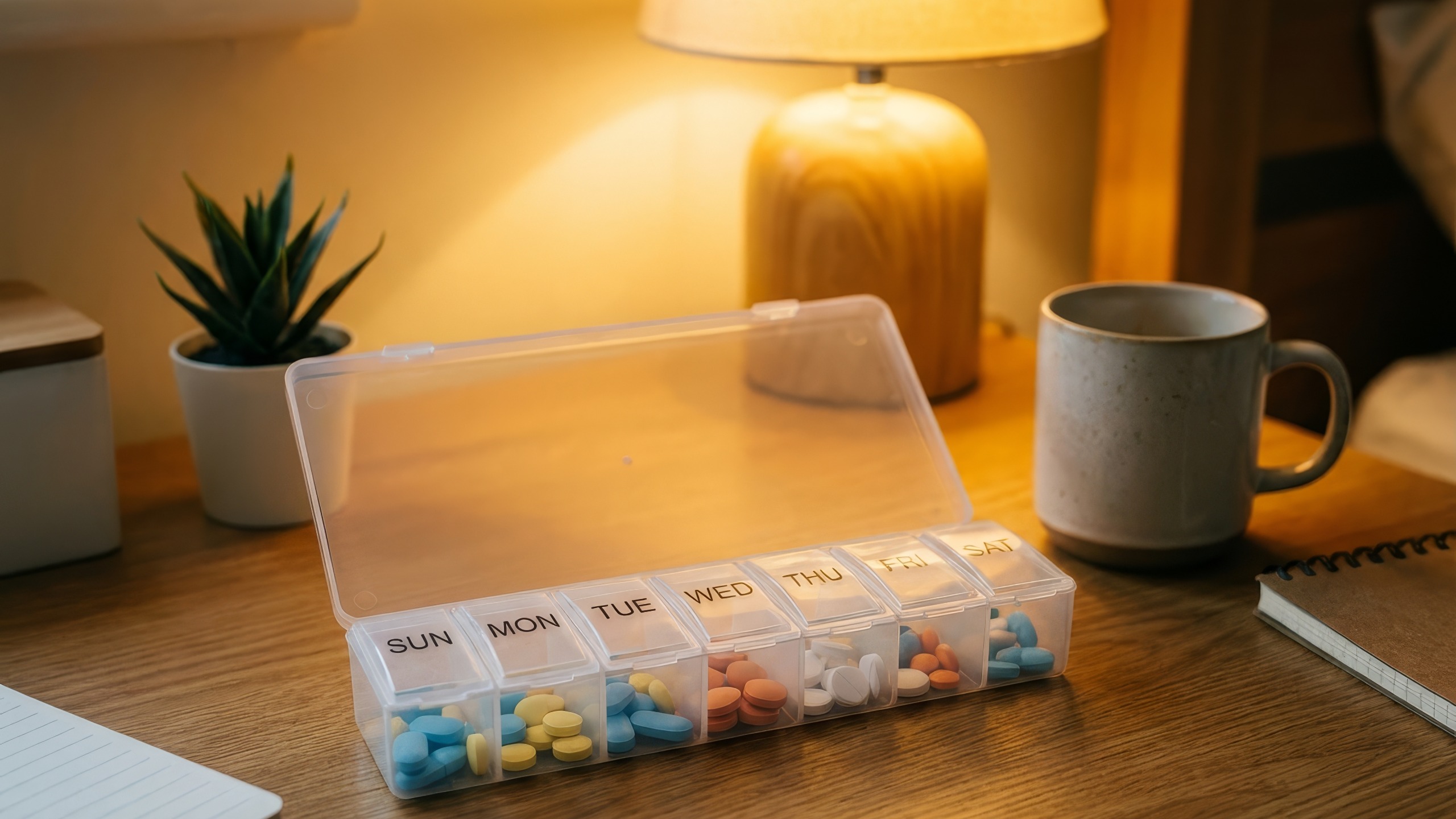
Handling medications for an aging parent or relative can feel overwhelming, especially when multiple prescriptions are involved. With proper organization and communication strategies, you can ensure your loved one takes his or her medications safely and effectively.
Create a Comprehensive Medication List
Start by documenting every medication your loved one takes, including prescription drugs, over-the-counter medications, vitamins, and supplements. This master list should include:
- Medication name (both brand and generic)
- Dosage and frequency
- Prescribing doctor
- Purpose of the medication
- Pharmacy information
- Potential side effects to watch for
Keep copies of this list in multiple locations—with your loved one, in your wallet, and digitally stored. Update it immediately whenever medications change, and bring it to every medical appointment.
Establish a Daily Medication Routine
Consistency is crucial for medication effectiveness and safety. Work with your loved one to establish a routine that fits his or her lifestyle and preferences.
- Choose optimal timing – Schedule medications around daily activities like meals or bedtime to create natural reminders. Some medications work best when taken with food, while others should be taken on an empty stomach.
- Use visual and audible reminders – Set phone alarms, use medication reminder apps, or place sticky notes in visible locations. Many smartphones have built-in medication tracking features that can send notifications.
- Create a designated medication space – Establish one location where all medications are stored and taken. This reduces confusion and prevents missed doses.
Homecare services providers in Lincoln can benefit aging adults in a variety of ways. From cooking nutritious meals to offering timely medication reminders, the dedicated caregivers at BeyondWell Home Care are available to help your elderly loved one 24 hours a day, 7 days a week.
Implement Organization Systems
Proper organization prevents dangerous medication errors and makes daily management much easier.
- Pill organizers – Weekly pill organizers with separate compartments for each day can simplify complex medication schedules. For seniors taking multiple medications throughout the day, consider organizers with morning, noon, evening, and bedtime compartments.
- Medication apps – Digital tools like Medisafe, MyMedSchedule, or PillPack can track schedules, send reminders, and even alert family members when doses are missed.
- Pharmacy services – Many pharmacies offer blister packaging or pre-sorted medication packets that organize pills by date and time, reducing the risk of confusion.
Monitor for Side Effects and Interactions
Regular monitoring can catch potential problems before they become serious health issues.
Watch for common warning signs:
- Unusual drowsiness or confusion
- Changes in appetite or sleep patterns
- New physical symptoms like dizziness, nausea, or skin rashes
- Mood changes or behavioral shifts
- Falls or balance issues
Schedule regular medication reviews with healthcare providers, especially when new prescriptions are added. Bring your medication list to every appointment and ask about potential interactions between drugs, supplements, and even foods.
Assisting with medication organization can be a challenging task for overworked caregivers. Whether you need respite from your caregiving duties or your aging loved one needs 24-hour care Lincoln families can rely on, BeyondWell Home Care can meet your family’s care needs. Our dedicated caregivers are available around the clock to provide transportation to doctor’s appointments, ensure seniors take their prescribed medications, and help with a variety of tasks in and outside the home.
Maintain Open Communication with Healthcare Providers
Strong communication with your loved one’s medical team ensures safe and effective medication organization.
- Prepare for appointments – Write down questions and concerns beforehand. Ask about generic alternatives, potential side effects, and whether any medications can be discontinued or reduced.
- Use one pharmacy when possible – Having all prescriptions filled at the same location allows pharmacists to screen for dangerous drug interactions and maintain comprehensive records.
- Understand insurance coverage – Work with healthcare providers and pharmacists to find cost-effective options, including generic alternatives and patient assistance programs.
- Keep emergency contacts handy – Maintain a list of all healthcare providers, pharmacies, and emergency contacts. Include after-hours numbers for urgent medication questions.
For some families, caring for a senior loved one can be overwhelming at times. Luckily, they can rely on respite care provided by exceptional professional caregivers in Lincoln from BeyondWell Home Care, a trusted name in respite and hourly care. Our caregivers are available around the clock to assist seniors with bathing, transportation, medication reminders, exercise, and much more, allowing families the time they need to focus on other important responsibilities or just take a break. Call us today to learn about our comprehensive in-home care plans.