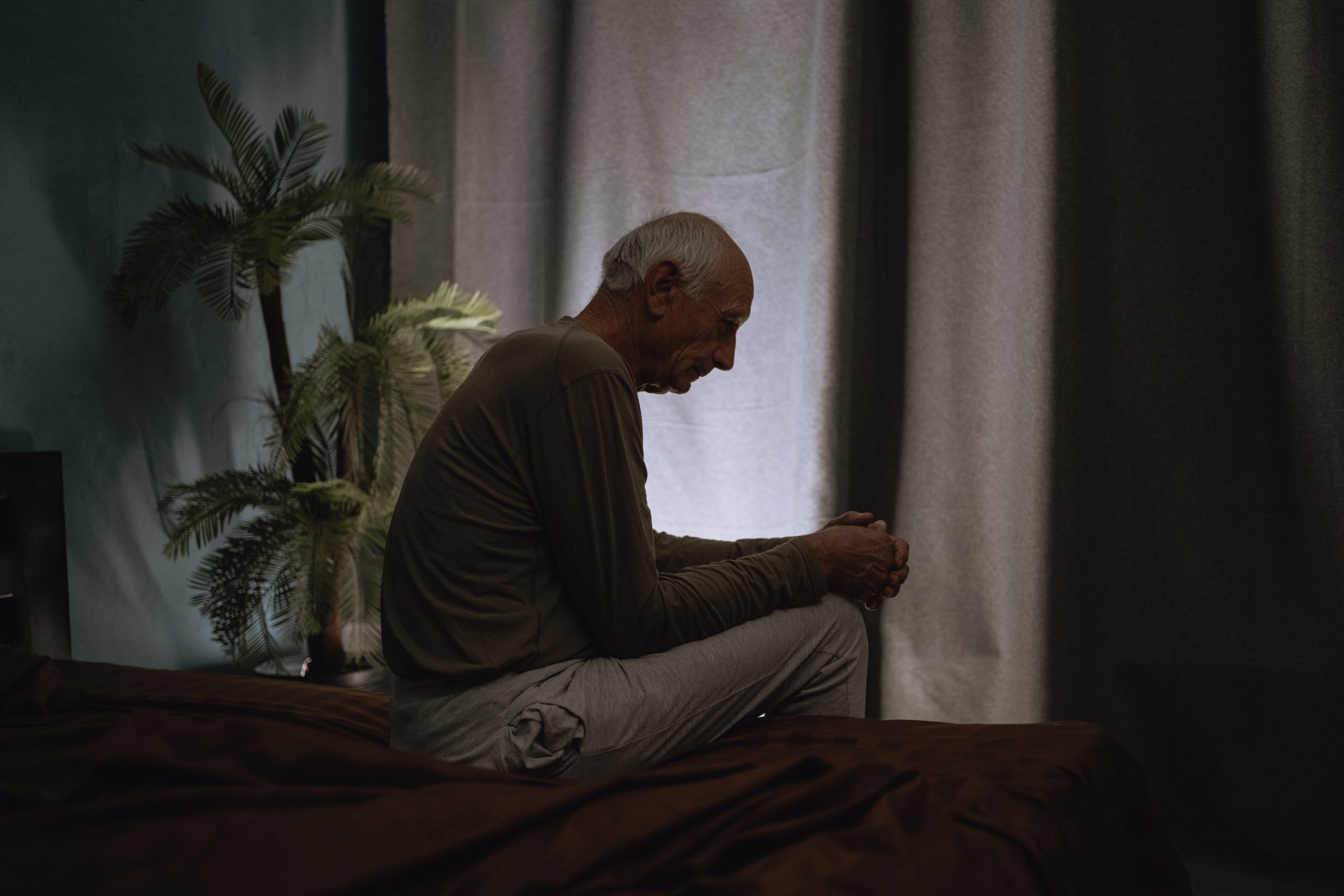
Sundowning is a pattern of increased confusion, agitation, and behavioral changes that commonly affects people with dementia in the late afternoon and evening hours. Home caregivers can manage it through consistent routines, reduced evening stimulation, and targeted environmental adjustments.
Sundowning affects an estimated 20–45% of people with Alzheimer’s disease, according to the Alzheimer’s Association. Understanding its causes and patterns is the first step to managing it effectively at home.
What Are the Most Common Causes of Sundowning?
Researchers haven’t pinpointed a single cause, but several factors are known to contribute:
- Disrupted circadian rhythm – Dementia damages the brain’s internal clock, making it harder to distinguish day from night.
- Fatigue accumulation – Mental and physical tiredness builds throughout the day, lowering a person’s ability to cope.
- Reduced light exposure – Less natural light in the evening can trigger confusion and disorientation.
- Underlying conditions – Urinary tract infections, pain, hunger, or dehydration can worsen symptoms.
- Medication timing – Some medications wear off in the late afternoon, leaving the person more vulnerable to agitation.
Certain age-related conditions can make it more challenging for seniors to age in place safely and comfortably, but Roseville 24-hour home care experts are available around the clock to help seniors manage their health. Whether your loved one is living with dementia or recovering from a stroke, you can trust the professional caregivers from BeyondWell Home Care to enhance his or her quality of life.
What Behavioral Patterns Should Home Caregivers Look For?
Sundowning tends to follow a recognizable pattern, which makes it easier to anticipate. Common signs include:
- Increased restlessness or pacing in the late afternoon
- Sudden mood shifts, including anxiety, suspicion, or tearfulness
- Repeated questioning or verbal outbursts
- Resistance to routine activities like eating or bathing
- Attempts to “go home” or leave the house
Symptoms typically begin between 3:00 p.m. and 5:00 p.m. and may last into the night. Tracking the timing and triggers in a daily log can help caregivers spot patterns and plan ahead.
How Does the Home Environment Affect Sundowning Episodes?
The physical environment plays a bigger role than many caregivers realize. As daylight fades, shadows and dim lighting can distort perception and increase fear.
- Increase indoor lighting in the late afternoon to minimize shadow and contrast.
- Reduce background noise from TVs, radios, or multiple conversations happening at once.
- Maintain visual familiarity by keeping the home layout consistent and displaying recognizable objects.
- Secure exits where needed without making the space feel restrictive.
Small environmental changes, applied consistently, can significantly reduce the frequency and intensity of episodes.
What Evening Routines Help Caregivers Manage Sundowning at Home?
Structure is one of the most effective tools available to home caregivers. A predictable evening routine signals safety and reduces the mental load of processing unfamiliar situations.
- Schedule calming activities like light music, simple puzzles, or gentle walks in the late afternoon.
- Serve dinner at a consistent time each day.
- Dim overhead lights gradually rather than switching abruptly from bright to dark.
- Use a warm, unhurried tone during transitions like changing clothes or preparing for bed.
- Avoid introducing new tasks or challenging conversations in the evening hours.
What Communication Strategies Work Best during Sundowning Episodes?
How caregivers respond in the moment matters as much as environmental and routine factors.
- Stay calm and speak slowly – Agitation is often contagious, and a steady voice can de-escalate quickly.
- Avoid arguing or correcting – If your loved one believes something that isn’t true, redirect rather than confront.
- Use simple, short sentences – Give one instruction at a time.
- Validate emotions rather than the content of distress – Try something like “I can see you’re feeling worried. Let’s sit together for a moment.”
- Offer gentle reassurance – Use touch if your loved one is receptive to it.
One of the most challenging tasks of helping an elderly relative age in place safely and comfortably is researching agencies that provide the best Roseville home care service. Families can turn to BeyondWell Home Care for reliable, high-quality in-home care for aging adults. We offer 24-hour care for seniors who require extensive assistance, and we also offer respite care for family caregivers who need a break from their caregiving duties.
Caring for seniors with dementia can be challenging for family caregivers. Luckily, there is high-quality Roseville dementia home care for seniors and their families. Professional dementia caregivers help seniors with dementia stay safe and comfortable at home by preventing wandering, providing cognitive stimulation, helping with bathing and other personal hygiene tasks, and assisting with household chores. BeyondWell Home Care can be your trusted partner when your loved one needs help with the challenges of aging. Call us today to learn about our high-quality in-home care services.
Frequently Asked Questions
Does sundowning get worse over time?
+
Sundowning can intensify as dementia progresses, though consistent management strategies often reduce the severity of individual episodes.
Can sundowning happen in people who don’t have dementia?
+
Sundowning is most closely associated with dementia, but older adults experiencing hospitalization or significant illness can show similar late-day confusion, a temporary condition called delirium.
Is sundowning more common in certain seasons?
+
Yes. Shorter daylight hours in fall and winter can increase the frequency of sundowning episodes, likely due to reduced natural light exposure throughout the day.
What foods or drinks should be avoided in the evening to reduce sundowning?
+
Caffeine and sugar in the afternoon and evening can increase restlessness. Opt for light, familiar meals and offer water regularly to rule out dehydration as a contributing factor.
How can family members support a home caregiver dealing with sundowning?
+
Rotating evening shifts, providing respite time, and maintaining a consistent daily schedule are practical ways family members can reduce caregiver fatigue and support continuity of care.