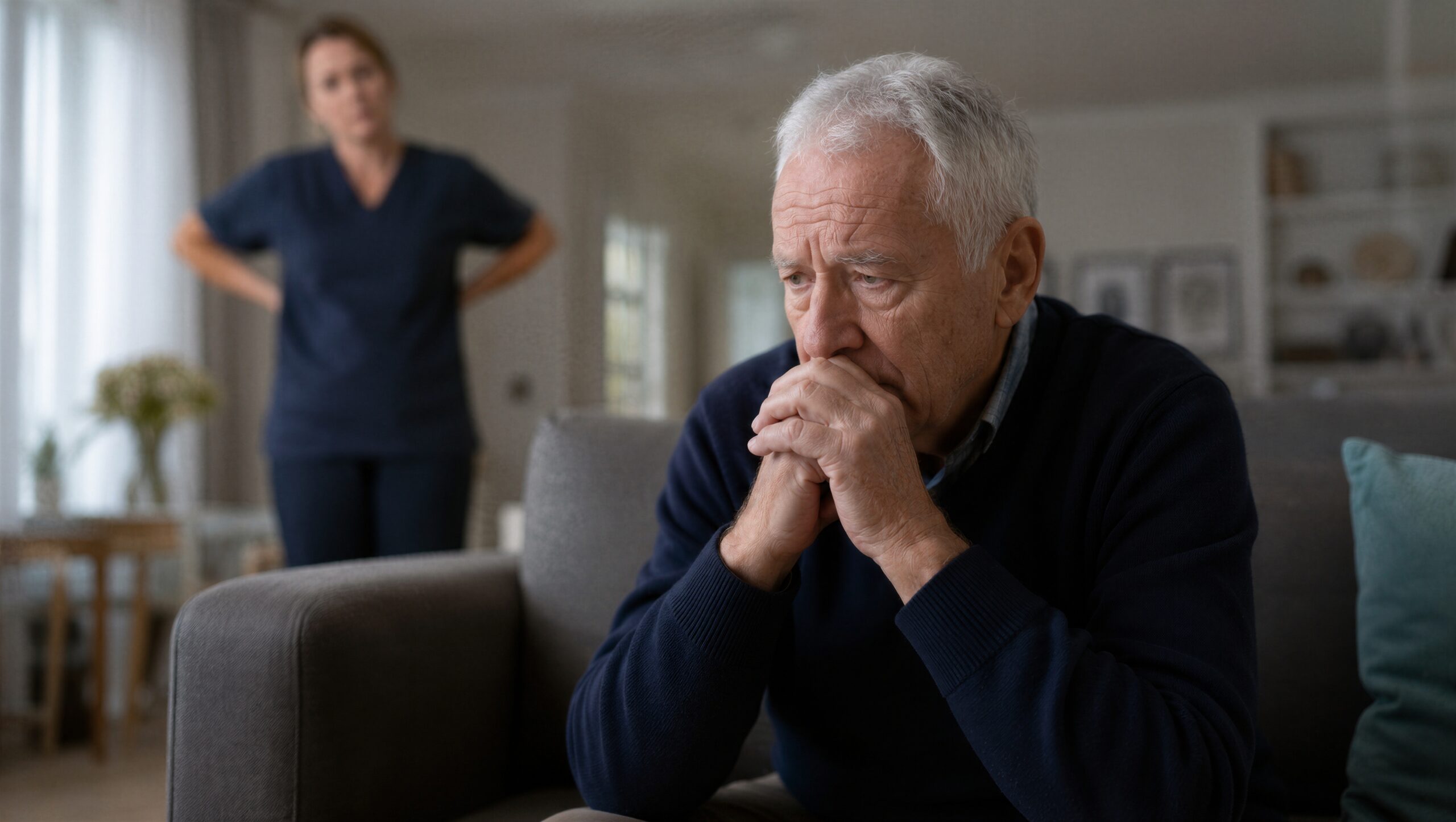
In-home care can be a valuable support system for veterans managing post-traumatic stress disorder (PTSD), offering personalized assistance within the comfort and safety of their own homes. For many veterans, the transition to civilian life is difficult, and PTSD can make everyday tasks feel overwhelming. In-home care bridges this gap by providing consistent compassionate support tailored to each veteran’s unique needs.
How Does PTSD Affect Veterans in Their Daily Lives?
PTSD can significantly disrupt a veteran’s daily functioning, making routine tasks difficult to manage. Common challenges include:
- Hypervigilance and anxiety that make public settings feel unsafe
- Sleep disturbances, including nightmares and insomnia
- Social withdrawal and difficulty maintaining relationships
- Difficulty concentrating, which affects work and daily responsibilities
- Emotional numbness or sudden mood changes that strain family dynamics
For some families, caring for a loved one with PTSD can be overwhelming at times. Luckily, they can rely on professional Roseville overnight home care and respite care. BeyondWell Home Care is a trusted name in respite and hourly care. Our caregivers are available around the clock to assist seniors with bathing, transportation, medication reminders, exercise, and much more, allowing families the time they need to focus on other important responsibilities or just take a break.
What Is In-Home Care for Veterans with PTSD?
In-home care refers to professional support services delivered directly in a veteran’s home. For veterans with PTSD, this may include:
- Personal care assistance with activities of daily living, such as bathing, dressing, and meal preparation
- Companionship services that reduce isolation and promote social engagement
- Routine and structure support to establish healthy daily habits
- Transportation to therapy appointments, VA facilities, or community programs
- Coordination of care among caregivers, family members, and healthcare providers
How Does the Home Environment Help Veterans with PTSD?
The home environment provides veterans with a sense of control and safety that clinical or institutional settings often cannot. Key benefits include:
- Reduced exposure to triggers that are common in busy or unfamiliar public environments
- A familiar setting that promotes calm and predictability
- Greater privacy, which encourages veterans to open up and engage more comfortably
- Family involvement, allowing loved ones to be active participants in the care process
Many veterans prefer living at home over moving to assisted living facilities. If your loved one needs assistance to remain safe and comfortable while living at home, reach out to BeyondWell Home Care, a leading Roseville home care agency. Our dedicated in-home caregivers can assist with meal prep, bathing and grooming, exercise, medication reminders, and many other important tasks.
What Types of In-Home Care Programs Are Available to Veterans?
Veterans in the United States have access to several programs that support in-home care:
- VA Caregiver Support Program – Provides resources and stipends for family caregivers of eligible veterans
- Veteran-Directed Care (VDC) – Allows veterans to self-direct their care and hire their own in-home support workers
- Program of Comprehensive Assistance for Family Caregivers (PCAFC) – Offers training, mental health services, and financial support for caregivers of post-9/11 veterans
- Area Agencies on Aging (AAA) – Connects veterans with local in-home care services and community resources
How Can Families Support a Veteran Loved One Receiving In-Home Care?
Family members play a critical role in making in-home care effective for veterans with PTSD:
- Learn about PTSD to better understand behaviors and responses.
- Communicate openly with in-home care providers about the veteran’s preferences and triggers.
- Maintain consistency in the home environment to support a stable routine.
- Encourage social connection through low-pressure activities and community involvement.
- Take advantage of caregiver support resources offered through the VA and local organizations to avoid burnout.
Because care needs can vary widely as health changes over time, it’s important to understand the full range of in-home care options available to veterans with PTSD and their families. Every veteran has different needs when living at home. Some simply need companionship and occasional assistance with household chores, while others may be managing serious illnesses and require more extensive Roseville 24-hour home care. Veterans and their families can count on BeyondWell Home Care to provide the in-home care they need and deserve. If you need professional care for your loved one, BeyondWell Home Care is just a phone call away. Reach out to one of our Care Managers today.
Frequently Asked Questions
Can in-home care replace therapy for veterans with PTSD?
+
In-home care isn’t a substitute for professional mental health treatment, but it can complement therapy by providing stability, structure, and daily support.
Is in-home care for veterans covered by the VA?
+
Many in-home care services for eligible veterans are covered or subsidized through VA programs such as the VA Caregiver Support Program and Veteran-Directed Care.
What qualifications do in-home caregivers working with PTSD veterans need?
+
Caregivers working with veterans who have PTSD benefit from training in trauma-informed care, crisis de-escalation, and an understanding of military culture and experience.
How do I know if in-home care is right for a veteran with PTSD?
+
In-home care is often most appropriate when a veteran has difficulty with daily functioning, experiences difficulty in public settings, or needs consistent support that family members cannot always provide alone.
Can veterans with PTSD direct their own in-home care plans?
+
Yes. Programs like Veteran-Directed Care allow veterans to take an active role in choosing and managing their own caregivers and services, promoting independence and personal agency.