In-home care supports seniors with mobility issues by helping with daily tasks, preventing falls, assisting with exercise routines, and providing transportation and companionship. For many seniors, maintaining independence while managing their mobility is a daily challenge. In-home care offers a practical solution, allowing older adults to age safely in the comfort of their own homes while receiving the support they need.
How Do In-Home Care Providers Reduce Fall Risks in the Home?
One of the most significant risks for seniors with limited mobility is falling. A fall can lead to serious injuries like hip fractures or head trauma, which often result in hospitalization and a loss of independence. In-home care providers play a crucial role in mitigating this risk through proactive safety measures.
Caregivers are trained to identify potential hazards within the home environment. They can conduct safety assessments to spot issues such as loose rugs, poor lighting, or cluttered walkways. Beyond just identifying these risks, they can rearrange furniture to create clear paths and ensure essential items are within easy reach. By creating safer living spaces, caregivers significantly reduce the likelihood of accidents, giving both seniors and their families peace of mind.
If you’re the primary family caregiver for a senior loved one living in the Sacramento area, Rocklin 24-hour home care is available if your loved one’s health has become too difficult to manage without professional expertise. At BeyondWell Home Care, we take measures to help seniors prevent illness and injury by assisting with exercise and mobility, preparing nutritious meals, helping with bathing and other personal hygiene tasks, and much more.
Why Do Seniors with Mobility Limitations Need Help with Daily Activities?
Routine tasks that most people take for granted—showering, dressing, and grooming—can become dangerous or even impossible for seniors with mobility issues. In-home care professionals provide dignified hands-on assistance with these activities of daily living (ADLs).
Having a caregiver present during bathing ensures safety on slippery surfaces, while help with dressing eliminates the strain of bending or reaching. This support extends to toileting and incontinence care, which are sensitive areas where professional compassionate assistance maintains the senior’s dignity. By handling these physical tasks, caregivers allow seniors to start their days feeling clean, comfortable, and cared for without the exhaustion or risk of injury that comes from facing these challenges alone.
The need for assistance with daily activities becomes even greater if a senior with limited mobility is also experiencing cognitive decline due to dementia. There are a variety of reasons to consider professional dementia care in Rocklin. Dementia caregivers are available 24/7 to help seniors maintain better cognitive health, and they can also assist with various tasks like medication reminders, transportation to medical appointments, and nutritious meal preparation.
How Can Caregivers Support Exercise and Physical Therapy Routines?
Mobility often decreases when seniors become sedentary due to fear of falling or pain. However, movement is essential for maintaining muscle strength and flexibility. In-home caregivers are vital partners in seniors’ physical health regimens.
While they’re not physical therapists, caregivers can support the prescribed exercises given by medical professionals. They can:
- Encourage seniors to complete their daily exercise routines
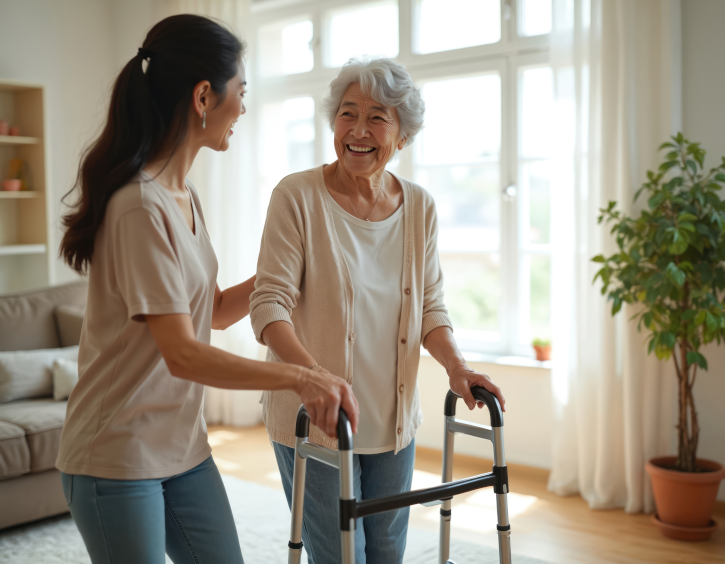
- Provide physical stability and supervision during walks or balance exercises
- Monitor seniors for signs of fatigue or discomfort
- Transport clients to and from physical therapy appointments
This consistent encouragement helps seniors maintain their current mobility levels and can even lead to increased strength and balance over time.
How Does Meal Preparation Support Seniors with Limited Mobility?
Shopping for groceries and preparing nutritious meals require a level of physical stamina many seniors with mobility issues lack. Standing at a stove, chopping vegetables, or carrying heavy grocery bags can be daunting. As a result, nutrition is often impacted, leading to weakness and a decrease in overall health.
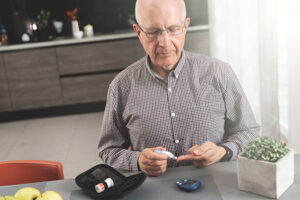
In-home caregivers bridge this gap by handling meal planning, grocery shopping, and cooking. They ensure seniors adhere to specific dietary requirements, such as low-sodium or diabetic-friendly diets. Furthermore, caregivers can assist with feeding if necessary and ensure seniors stay hydrated throughout the day. Proper nutrition fuels the body, supports muscle maintenance, and boosts overall energy levels, which are critical for managing mobility challenges effectively.
How Do Companionship and Transportation Enhance Daily Life?
Limited mobility often leads to social isolation because leaving the house becomes difficult. In-home care addresses this by providing companionship and transportation services. Caregivers can drive seniors to social gatherings, medical appointments, religious services, or visits with friends.
Even within the home, the presence of a caregiver combats loneliness. Whether it’s playing cards, reading aloud, or simply having a conversation, this social interaction is vital for mental and emotional wellbeing. A happier, more engaged senior is often more motivated to maintain his or her health and mobility.
Rocklin senior care experts are available to provide high-quality care to seniors on an as-needed basis. From assistance with mobility and exercise to providing transportation to the doctor’s office and social events, there are a variety of ways professional caregivers can help your aging loved one continue to live independently. Rely on the professionals at BeyondWell Home Care to provide high-quality compassionate care for your loved one. Give us a call today to learn about our flexible in-home care plans.
Frequently Asked Questions
Is mobility support included in personalized care plans?
+
Most home care providers include mobility assistance as part of customized care plans based on individual needs and abilities.
Can mobility support boost overall quality of life?
+
Yes, mobility support helps individuals stay active, maintain independence, and safely navigate their daily routines.
Are caregivers trained to use mobility aids?
+
Yes, caregivers are trained to safely assist with devices like walkers, wheelchairs, and canes to promote independence and reduce risks.
Who can benefit from mobility support in home care?
+
Individuals with limited mobility, seniors, or those recovering from surgery or injury can benefit from tailored mobility assistance.
How do home care services assist with mobility support?
+
Caregivers provide help with walking, transferring, and using mobility aids to ensure safety and prevent falls.